Swisscom published its quarterly figures on 7 May 2026. Two key metrics stand out: 56% fibre optic coverage and 89% 5G+ coverage in Switzerland. It sounds like progress – but what does it actually mean for you as a household? We translate the numbers into practical implications.
What Does 56% Fibre Optic Coverage Mean?
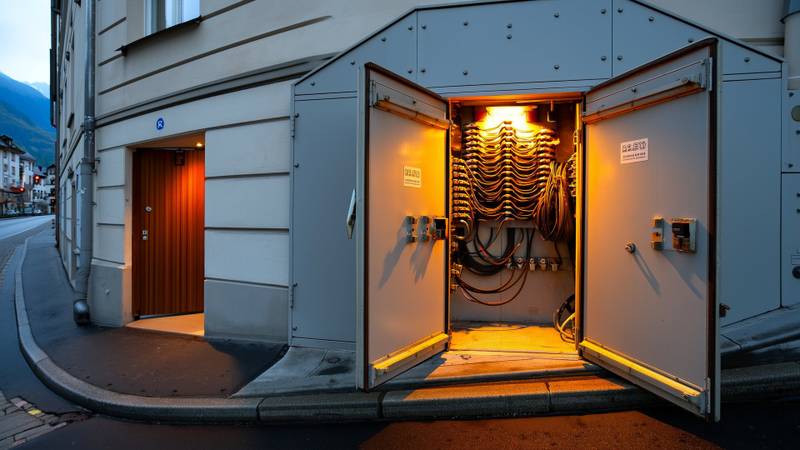
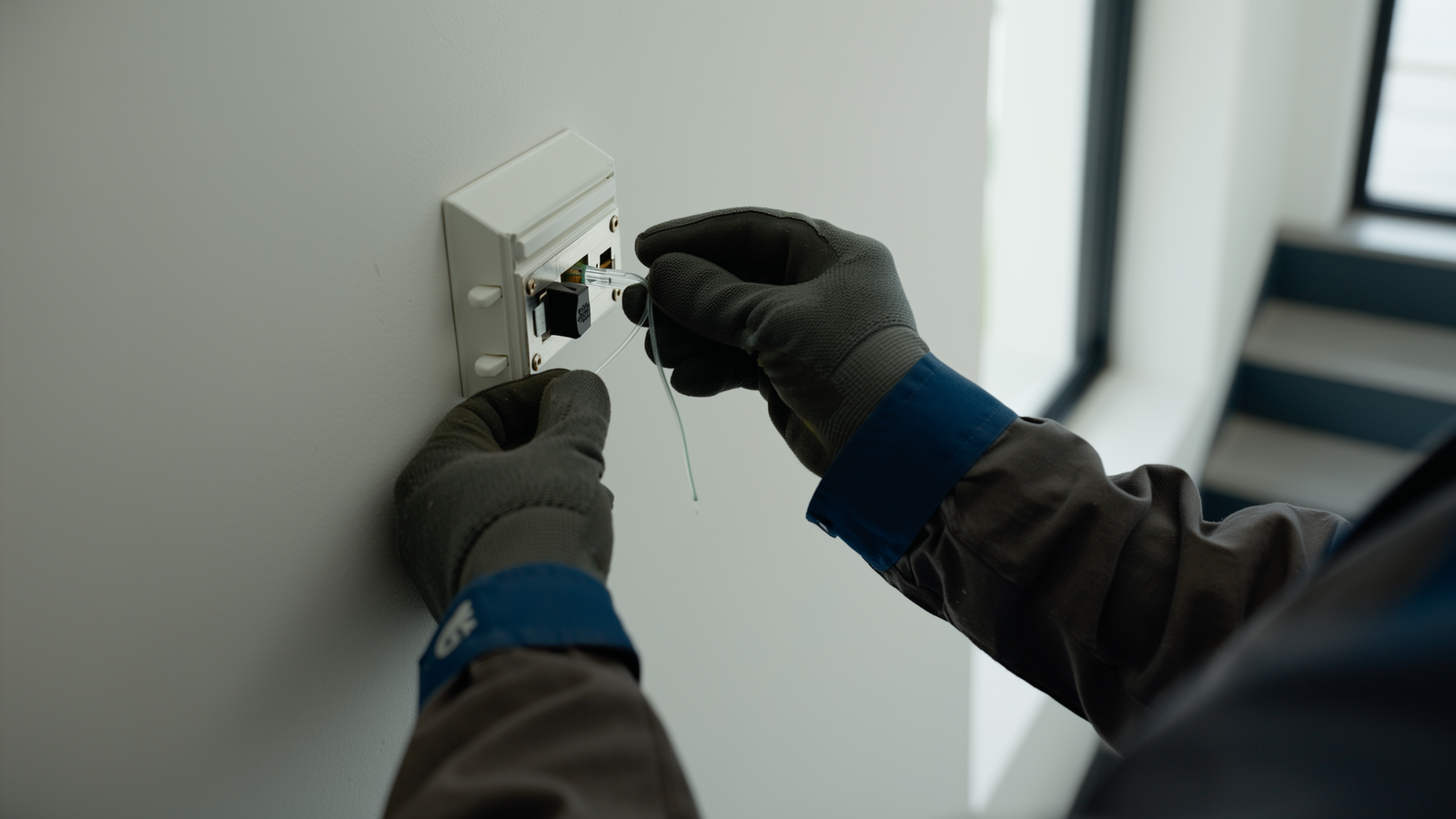
More than one in two Swiss households can today theoretically order a fibre optic connection. Swisscom is primarily building on FTTH (Fibre to the Home), meaning fibre optic directly into the apartment – not just to the distribution cabinet.
That sounds like a lot, but there's a catch: coverage doesn't automatically mean availability. Whether you can actually be connected depends on your exact address. In densely populated areas like Zurich, Bern or Basel, the infrastructure is often already in place. In rural communities and peripheral regions, significant gaps may still exist.
Where Do Gaps Still Exist?
The remaining 44% of households without a fibre connection are concentrated mainly in:
- Rural regions and mountain areas (Valais, Graubünden, parts of the Bernese Oberland)
- Smaller communities without their own municipal utilities or regional providers
- Older apartment buildings where the property owner has not yet approved the house connection
In these areas, fibre-coaxial (HFC) or VDSL over copper cable remains the realistic option for now – with speeds sufficient for most everyday applications, but unable to match pure fibre.
89% 5G+: What's Behind It?
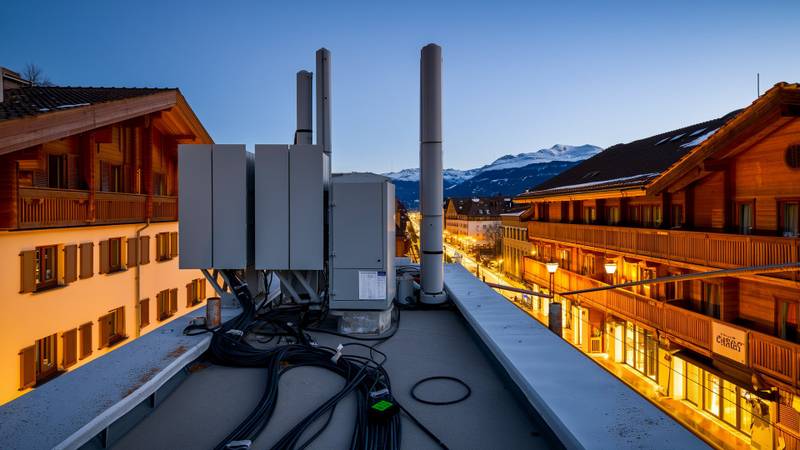
The 89% 5G+ coverage refers to the extended 5G standard, which enables higher bandwidths and lower latencies than basic 5G. Swisscom primarily uses the 3.5 GHz spectrum in combination with existing frequencies.
In practice, this means: in most cities and agglomerations, you can already achieve download speeds of several hundred megabits per second today with a compatible smartphone. For rural areas, the same applies: the coverage map tells you more than the percentage.
Another aspect: 5G as a fixed-line replacement (Fixed Wireless Access) is becoming increasingly interesting for households without a fibre connection. Swisscom and competitors offer corresponding router solutions that convert the mobile 5G network into Wi-Fi.
What Changes for Those Looking to Switch?
The fibre expansion is noticeably changing the competitive landscape. Where Swisscom with copper cable used to be the only option, many households today have the choice between several providers on the same fibre infrastructure.
When Does Switching Make Sense Right Now?
- You have fibre available but still have an old VDSL contract: switching is worthwhile – you often pay a similar amount but get significantly more speed and stability.
- Your contract expires in the next three months: compare offers now, before you're automatically renewed.
- You live in a region that is currently being rolled out: providers often make attractive introductory offers during initial rollout.
- You're still paying Swisscom's list price without a discount: competition from Sunrise, Salt and regional providers has pushed down prices in many segments.
You can find a current overview of available internet offers in your region directly in the comparison.
How Does the Expansion Change Competition?
Swisscom is the largest fibre builder, but not the only one. Sunrise and various municipal utilities (ewz, IWB, Energie Wasser Bern and others) operate their own fibre networks. In areas with parallel infrastructures, genuine price competition emerges.
The underlying model: in Switzerland, Open Access applies to fibre optic networks. This means Swisscom must make its network available to other providers – and vice versa. Sunrise can therefore offer fibre products in many areas without having to dig itself. This increases choice for consumers.
The downside: Open Access is not fully implemented everywhere. In some regions there are still exclusive zones or technical hurdles that restrict competition.
What to Do If You Don't Have Fibre Yet?
If your address is not yet covered, you still have options:
- Cable connection (HFC): providers like Sunrise offer speeds of up to 1 Gbit/s via the former UPC network – a good alternative in many areas.
- 5G Home Internet: for households with good 5G coverage, an increasingly attractive option, especially in regions without cable rollout.
- Register on the waiting list: Swisscom and local municipal utilities allow you to sign up for fibre expansion – this can accelerate the rollout in your community.
Conclusion
Swisscom's Q1 figures show: fibre optic expansion in Switzerland is making measurable progress. 56% coverage is a genuine milestone, but more than four in ten households are still waiting. For you as a consumer, this means: check your address specifically, compare the current offers – and switch when the timing is right. The market is moving, and that benefits prices.