Swisscom is dismantling the copper network. What this means for DSL customers, when it will happen specifically, and what alternatives you have – an overview.
What is the DSL dismantling anyway?
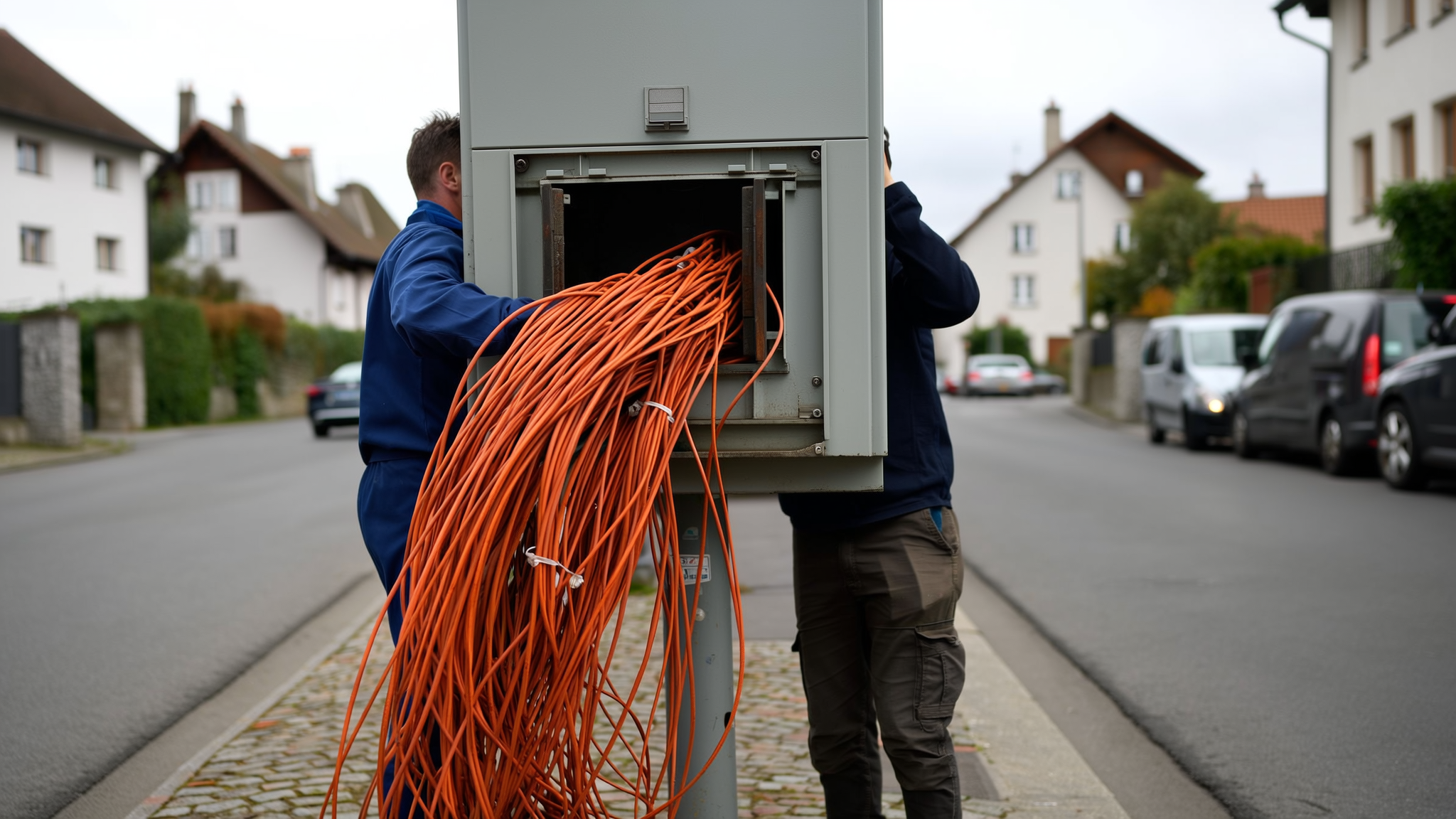
DSL stands for Digital Subscriber Line and describes internet connections that operate over the classic copper line network. This network is about 150 years old and was the foundation of Swiss fixed-line telephony and early broadband expansion. Swisscom, as the owner and operator of most of this network, officially announced in 2024 that it will gradually phase out the copper network.
The dismantling is not a sudden step but a multi-year process. The reason is both economic and technical: it makes no sense to operate two complete networks in parallel for the same purpose. Additionally, copper hardware will no longer be maintained by manufacturers in the future, and its operation consumes significantly more electricity than fiber optics.
When will your DSL connection be switched off?
There is no fixed date for everyone. Swisscom switches off the copper network regionally, always along so-called access networks, i.e., contiguous areas of municipalities or parts of municipalities. The rule is: shutdown happens first where fiber optic is already available.
Key dates:
- End of 2025: Fiber coverage at around 57 percent of all Swiss households
- End of 2030: Target of 75 to 80 percent fiber coverage
- 2035: Complete decommissioning of the copper network planned
- Notice period: Usually 24 months before the shutdown of an access network
Swisscom has committed to informing affected customers and wholesale partners early. In practice, this means: those still using DSL today can expect a migration notice in the coming years.
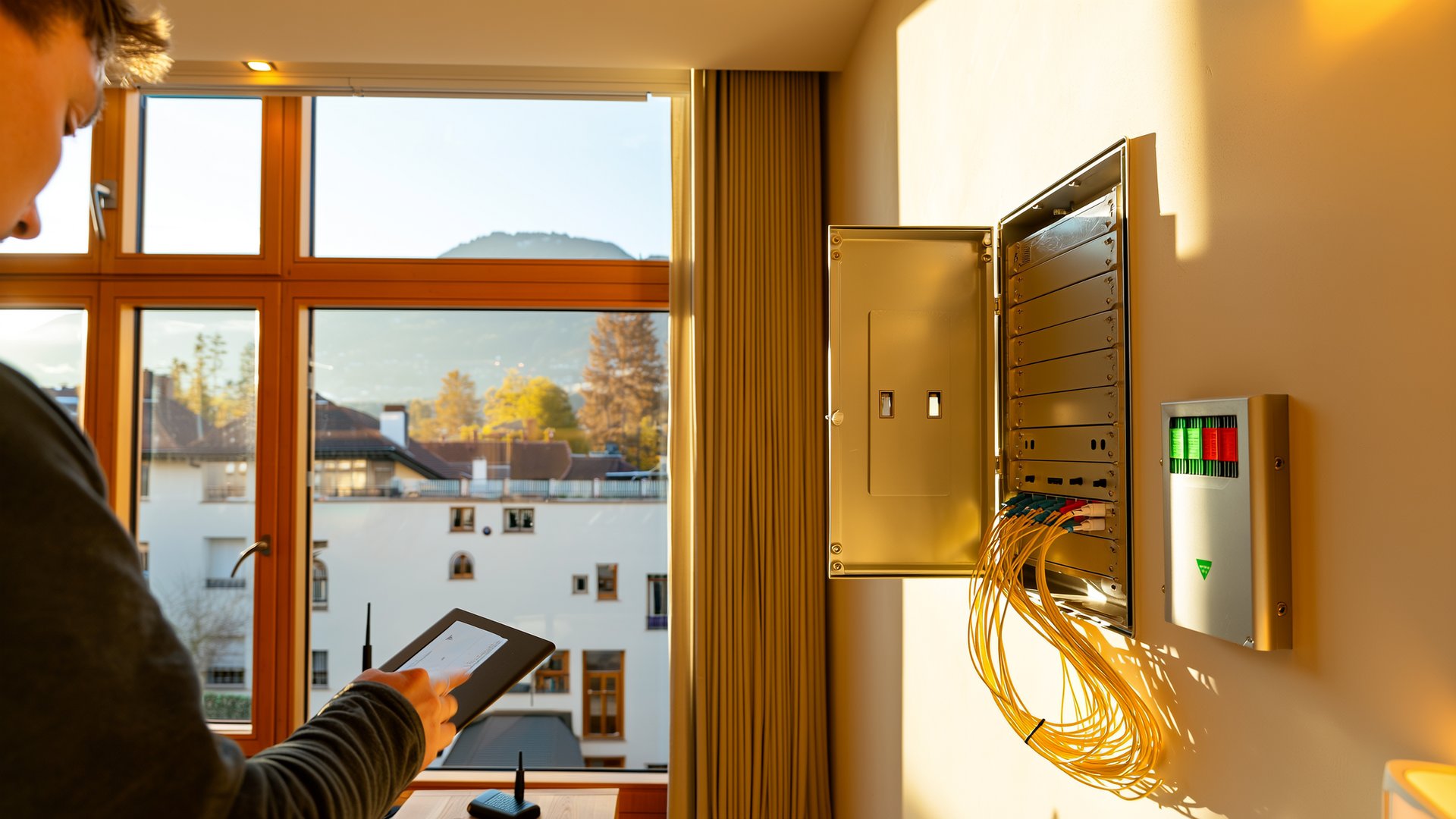
Once the fiber optic socket is installed in your apartment, Swisscom allows 28 days to make the switch. Those who do not switch within this period risk a connection interruption.
What alternatives are there to the DSL connection?
The most obvious replacement is fiber optic (FTTH). Where the expansion has taken place, DSL is directly replaced by fiber. The connection quality is better in every respect: higher speeds, more stable connection, lower latency. Installation of the fiber socket is free for private individuals.
This guide explains the differences between various internet technologies and which solution fits whom in detail: Internet technologies explained: Fiber, XGS, G.fast and DSL compared.
For households outside the fiber expansion area, Swisscom plans alternatives:
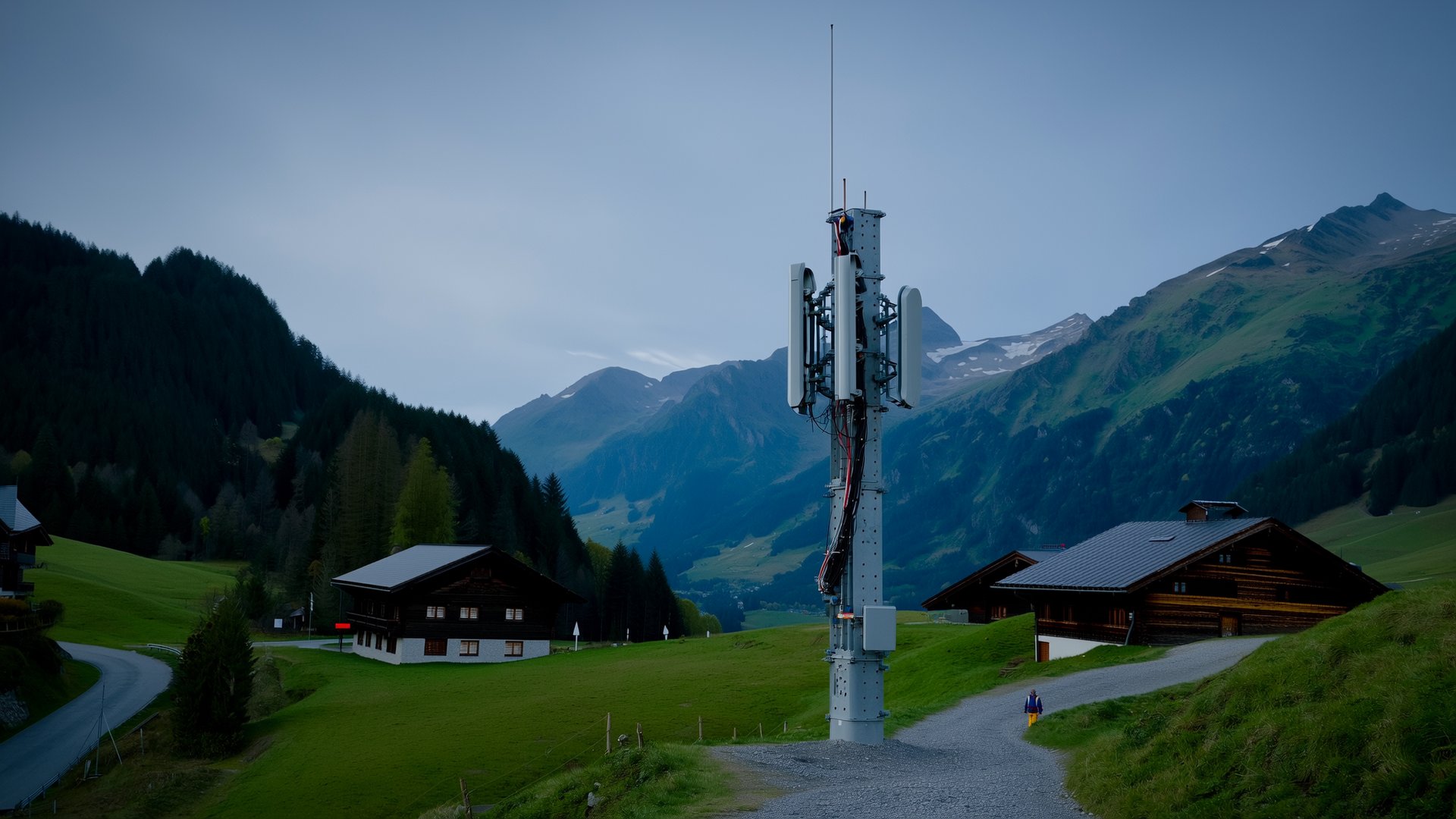
- 5G Fixed Wireless Access: Internet connection via the mobile network, suitable for areas without fiber expansion
- Satellite: As a solution for very remote locations, such as in the Alpine regions
These alternatives are generally more expensive, slower, or have higher latencies than a fiber connection.
What do you need to do now?
It depends on your current situation.
Fiber is already laid to the house, but you do not yet have a fiber product: There is no urgent need to act, but an early switch is worthwhile. Order a fiber product from your provider; this will trigger the installation of the socket in your apartment.
Fiber is already available in the house, but you still use DSL: Switch promptly. Once the copper network in your region is switched off, the 28-day period begins. An early switch is smoother than a forced migration under pressure.
Your house is not yet connected with fiber: You still have time. The copper network will remain available until the actual shutdown. Check at swisscom.ch/netz whether and when your location will be connected.
You previously declined fiber connection: In this case, a subsequent connection is possible, but with cost participation by the property owner.
What applies to customers of other providers?
The copper network belongs to Swisscom, but many providers use it as a wholesale service for their own DSL products, including providers like Wingo, Salt, or init7. The dismantling therefore affects not only direct Swisscom customers.
Swisscom has promised to inform wholesale partners at least 24 months in advance about planned shutdowns. Customers of these providers should inquire directly with their respective provider about possible alternatives as soon as a shutdown is announced.
What happens if fiber is not available?
Swisscom admits that not all current copper locations can be replaced by fiber. This mainly affects individual houses outside settlement areas or locations where connection was declined. For these cases, mobile or satellite-supported solutions are planned.
How many households this affects is not yet definitively known. Swisscom speaks of a very small number. Those in such a situation should actively contact Swisscom or their own provider and check alternatives.
Conclusion
The DSL dismantling in Switzerland has been decided and is already underway. The shutdown does not affect everyone at once but is rolled out regionally over several years. Those who already have fiber available should switch without waiting for the mandatory letter. Those who do not yet have a fiber connection should check the expansion status at their address and inform themselves early.