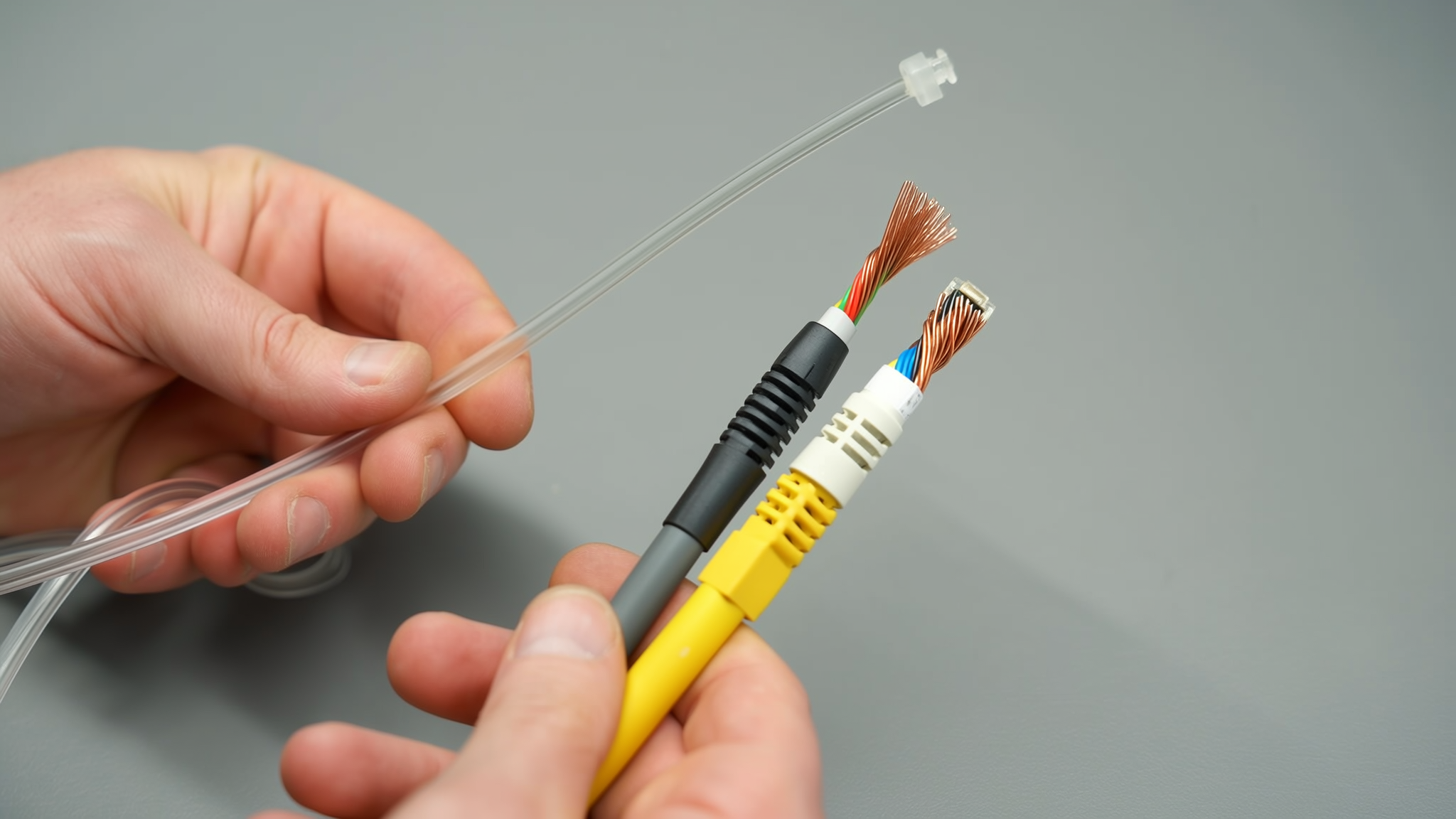
Which Internet Technology is Right for You
Fiber, XGS-PON, Gfast or DSL? We explain the differences and show which technology suits your needs.
Introduction
Streaming, home office, cloud services, and smart home require different demands on speed and stability. Technical terms like Fiber or Gfast may seem complex, but they determine your internet performance. Here you will find an understandable overview of the most important technologies in Switzerland.
---
DSL – Internet via Copper Line
DSL uses the existing copper telephone line. The technology is widely used and almost available everywhere.
Speeds
- Standard DSL up to 20 Mbit/s
- VDSL up to 100 Mbit/s
- VDSL Vectoring up to 300 Mbit/s
Advantages
- High availability
- Affordable rates
- No structural adjustments needed
Disadvantages
- Upload significantly slower than download
- Speed decreases with distance
- Limited future-proofing
Suitable for
- Individuals or small households
- Surfing, email, HD streaming
---
Gfast – Faster over Short Copper Distances
Gfast is an evolution of DSL and achieves high speeds over short distances.
Speeds
- Download up to 500 Mbit/s
- Upload up to 200 Mbit/s
- Partially up to 1 Gbit/s
Advantages
- Faster than DSL
- Utilizes existing infrastructure
- Better upload than DSL
Disadvantages
- Effective only with short lines
- Limited availability
- More susceptible to interference than fiber
Suitable for
- Multi-family homes
- Areas without direct fiber connection
---
Fiber (FTTH) – Fiber Optic to the Home
With FTTH, fiber optic is laid directly to the apartment. Data is transmitted as light signals, quickly and almost lossless.
Speeds
- 100 Mbit/s to 1 Gbit/s
- Partially up to 10 Gbit/s
- Symmetrical bandwidths possible
Advantages
- Very high speed
- Very low latency
- High stability
- Future-proof
- Equal upload and download speed
Disadvantages
- Not available everywhere
- Sometimes higher costs
Suitable for
- Families and multi-person households
- Gaming and video conferences
- Cloud backups and home office
---
XGS-PON – Next Generation Fiber Optics
XGS-PON enables symmetrical 10 Gbit/s and is aimed at particularly demanding users.
Speeds
- Up to 10 Gbit/s download and upload
Advantages
- Maximum speed
- Extremely low latency
- High future-proofing
Disadvantages
- Very limited availability
- Higher prices
- Special hardware required
Suitable for
- Content creators
- Small businesses
- Households with very high data volumes
---
Conclusion
- DSL is the solid foundation.
- Gfast offers more performance over copper.
- Fiber (FTTH) is the long-term standard solution.
- XGS-PON stands for maximum performance.
Which technology fits depends on availability, budget, and your usage behavior. Use our comparison calculator at zufriedenmit.ch to find the right internet subscription.